

Reading the last 20 spins before you bet
Most players glance at the roulette history board last 20 spins and hope the pattern holds long enough to catch a streak. That approach treats the screen like a crystal ball, which is a fair way to lose a session fast. The board is just a record of where the ball landed, not a promise of where it goes next. If you are weighing up where to play, it helps to compare timing against на платформе бренда notes on Perth gambling forums, where slow transfers get flagged fast. A clear view of the history column only matters when you pair it with sensible bankroll limits and a site that actually pays out without drama.
How the history column actually works
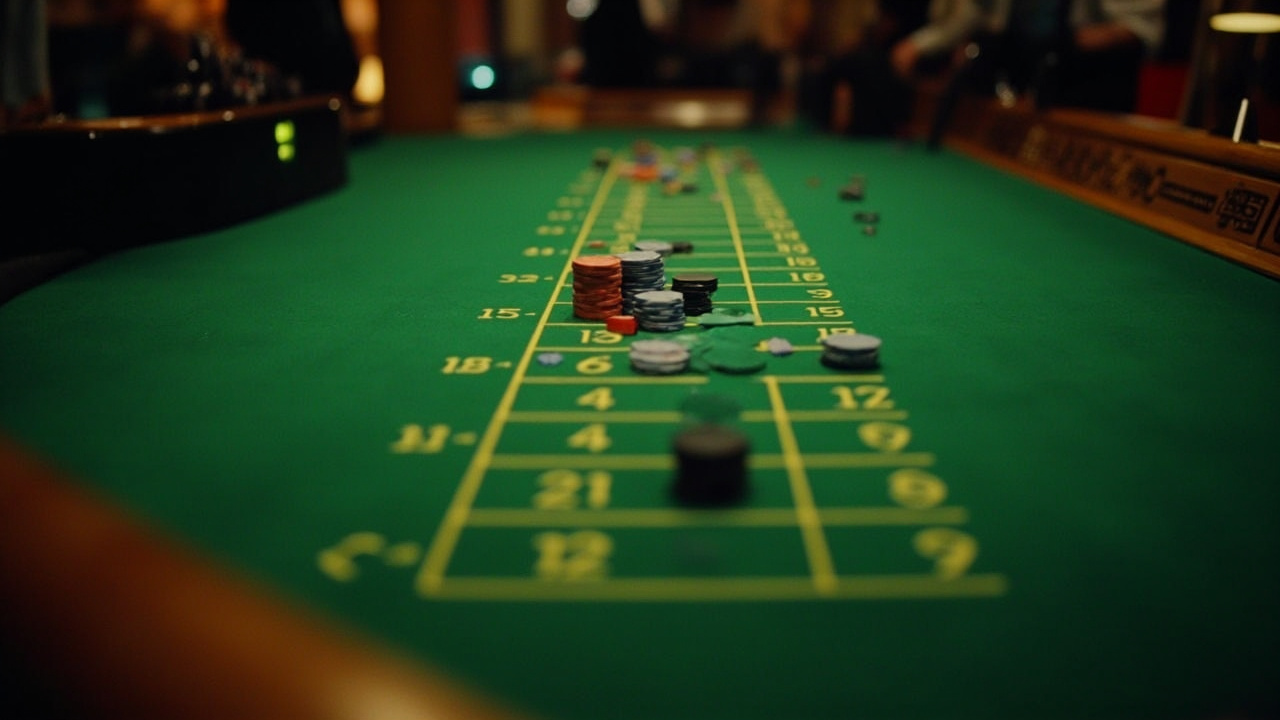
The roulette history board last 20 spins is a simple log of recent outcomes, usually displayed as red, black, odd, even, or specific numbers. It updates after every spin, which means the board is always showing you what just happened, not what is due. The wheel has no memory, so a run of six reds does not make black more likely on the next turn. That said, the column can still be useful if you treat it as a reference point rather than a signal. Some players use it to spot whether they are betting on a table that feels erratic or one that is settling into a rhythm they recognise. The trick is to stop reading meaning into randomness and start using the board to pace your bets. If you are tracking results across a long arvo session, the history column helps you notice when your own betting pattern is getting out of hand, which is often more valuable than any colour sequence on the screen.
What to look for without chasing patterns
A sensible read of the roulette history board last 20 spins starts with restraint. You are not hunting for a guaranteed run, you are just checking whether the table is displaying normal variance or something that makes you uncomfortable. Look at how often the board flips between colours, whether odd and even are appearing in rough proportion, and whether any single number is repeating more than you would expect by chance. None of that predicts the next spin, but it can tell you whether you are comfortable staying at that table. If the board is bouncing around and your bets are getting larger to compensate, that is usually a sign to step back rather than double down. Players who treat the history column as a mirror for their own discipline tend to walk away with more control than those who treat it like a forecast. The same blunt approach applies whether you are at a Gold Coast venue or logging in from a regional spot where the connection can drop out mid-session, because a lagging screen does not change the odds one bit.
A quick guide for beginners reading the board
If you are new to the table, here is a straightforward way to use the roulette history board last 20 spins without overcomplicating it. First, set a session limit before you look at the board, because the moment you start chasing what you see on screen, the limit stops meaning much. Second, pick one or two bet types and stick with them for a stretch, so you can actually notice how the board behaves instead of jumping around every spin. Third, use the history column to check your own rhythm, not the wheel, and note whether you are increasing stakes after a losing run. Fourth, step away when the board and your bankroll are both telling you the session has run its course, even if that happens before you expected. Fifth, keep the board in perspective as a record, not a roadmap, and remember that a calm table does not guarantee a calm result next. This is the kind of basic discipline that matters more than any number sequence, and it is the same mindset you would bring to a game where the Banker bet has the lowest house edge in baccarat, around 1.06%, because edge and discipline beat pattern-chasing every time.Manofmany
Where the board fits in a wider session plan
The roulette history board last 20 spins works best when it sits inside a broader plan rather than standing alone as the reason you place a bet. That means having a stake size that fits your bankroll, a stop point for the session, and a clear idea of what you are there to do, whether that is a measured bit of entertainment or a focused run at a table you understand. The board can help you notice when you are drifting from that plan, especially if you are playing on mobile and the screen is small enough that the history column becomes a distraction instead of a reference. Good support and clear terms matter here too, because a site that makes it hard to check your own activity is not much use when you are trying to stay disciplined. If you want a second opinion on where to start, you can compare notes at https://jackpotjillreview.com before you commit any time or money. The board is only one piece of the session, and it is the boring bits around it that usually decide whether you leave satisfied or chasing.
- Set a session limit before you look at the history column, so the board informs your play instead of driving it.
- Pick one or two bet types and stick with them long enough to notice real variance, not just a short run.
- Use the last 20 spins to check your own rhythm, especially if your stakes are creeping up after a losing stretch.
- Treat a lagging screen or dropped connection as a reason to pause, not a sign that the table is changing.
- Walk away when the board and your bankroll both say the session is done, even if that happens earlier than you planned.
Reading the roulette history board last 20 spins is mostly about discipline, not prediction. The board shows you what happened, which is useful only if you use it to keep your own betting in check. Treat it as a record, keep your limits firm, and you will get more out of the session than if you keep trying to read fate into a screen.