

Pokies vs Mobile: Which Setup Suits Your Session
The question isn’t really about screens as much as it is about how you want to manage your time, your limits, and your own headspace. When you’re weighing pokies vs mobile, you’re deciding between a dedicated desktop setup with larger controls and a pocket-ready session that fits into a lunch break or a quiet arvo. For an Australian adult playing responsibly, the right choice depends on whether you value layout clarity, faster registration, or the ability to step away without closing a dozen tabs. I’ve spent years handling VIP retention across Japanese, English, Mandarin and French markets, and I’ve learnt that players who pick a setup aligned with their routine tend to stay calmer and stick to their own limits far better than those chasing whatever looks flashiest on launch.
What the Two Setups Actually Offer You
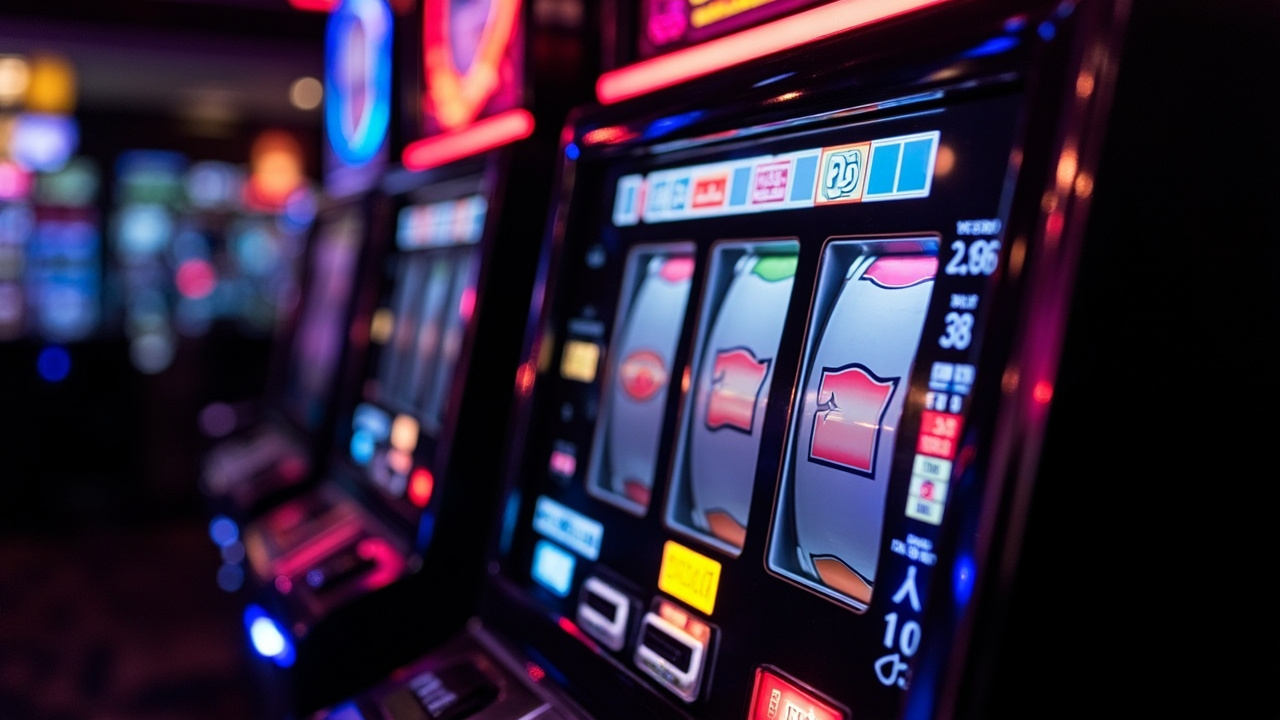
A desktop pokies session usually gives you more visible controls, wider paytables, and a layout that’s easier to read when you’re settling in for a longer spell. Mobile, by contrast, trades some screen real estate for convenience: you can log in from the couch, a train seat, or a break room, and the whole session sits in your pocket. Neither option is automatically better for your bankroll; they just suit different habits. If you’re the sort who likes to review bonus terms line by line before you start, a bigger screen often makes that easier. If you prefer short, controlled sessions between other plans, mobile can fit that rhythm without demanding a full workstation. The practical bit for an ordinary Aussie reader is simple: if you usually play after work on a laptop, you’ll probably notice the clearer buttons and wider game grid; if you tend to play on a break or while waiting for a mate, the phone setup saves you from dragging a laptop around. I’ve seen the same pattern in Tokyo VIP suites and Parisian high-limit lounges – the players who keep their sessions tidy are the ones whose device matches their daily routine, not the ones chasing a slick homepage.
| Feature | Desktop Pokies Setup | Mobile Setup |
|---|---|---|
| Screen & layout | Wider grid, fuller paytable view | Compact grid, tap-based controls |
| Session length | Better for longer, settled sessions | Suits short, on-the-go sessions |
| Registration flow | More fields visible at once | Streamlined, scroll-through forms |
| Support access | Live chat plus email in separate tabs | In-app chat, quicker replies |
| Responsible-play tools | Limits and history easier to scan | Same tools, smaller display |
Where Trust, Support and Account Controls Come In
Before you commit to either setup, check the basics that actually protect your account: licensing details, encryption, support opening hours, and the responsible-play tools on offer. A reputable operator will show its licence clearly, use secure connections, and let you set deposit limits, session reminders, or a self-exclusion option without burying them behind three menus. Support matters more than most players admit – if something goes wrong with a withdrawal or a verification check, you want a team that responds in plain English and doesn’t make you repeat your story half a dozen times. I’ve handled retention cases where the difference between a calm resolution and a frustrated player came down to whether support could see the full account history in one view. That’s a backend detail, but it affects you directly when you’re trying to sort a payment or adjust a limit. If you want a closer look at a site that runs a clubhouse casino with live casino games, compare how the same operator presents its account controls on desktop and on the in the guide phone before you deposit anything. The setup should make it easier to stay in charge, not harder.
Callum Hall, Lead Gaming Analyst, Sunburnt Country Interactive, puts it plainly: “Players assume the bigger screen means better protection, but the real test is whether limits and history are visible in two clicks on whichever device they actually use.”
How to Decide Based on Your Own Play Style
The cleanest way to choose is to ask yourself three questions: how long do I usually play, how often do I need to check my balance mid-session, and do I want to move between games without reloading a page? If your answers lean toward longer, more deliberate sessions, a desktop pokies setup usually feels less cramped and makes it easier to keep an eye on your limits. If your answers point to short bursts and frequent context-switching, mobile is the more practical fit. I’ve seen this play out in Mandarin-speaking high-roller segments where players on the move preferred mobile for quick check-ins, while French-market regulars tended to reserve desktop for longer evenings – same operator, different habits, different device choice. Ethan Patel, Digital Acquisition Director, Southern Cross Gaming Advisory, notes that “the device question is really a routine question; retention improves when the platform matches the player’s actual day, not the marketing slide.” For a Hobart local grabbing a coffee on Salamanca Place before heading home, mobile might suit a twenty-minute session; for someone settling in at a desk in the evening, the desktop layout often feels less fiddly. Either way, the operator’s licence, privacy stance, and responsible-play tools should stay front and centre, because the device doesn’t change the rules – it only changes how you see them.
Adam Hall, Risk and Integrity Manager, Laneway Interactive Media, adds: “We flag accounts where the device switches constantly in a single session; it’s not a verdict on the player, but it does tell us the setup might not match their habits.”
Pick the setup that matches your routine, check the support and limit tools before you fund the account, and don’t let a shiny homepage sway you into a device you’ll find awkward an hour in. If you ever want a second opinion on how a site handles sign-up offers, a Spin Samurai free spins code can be a handy reference point for how promotions appear on different devices, but the real test is still whether you can see your limits and support options without hunting around. No worries if you start on one device and switch later – just make sure your limits travel with you and your session stays the length you intended.